I traded my wedding band for an Oura 5 — and wish I’d done it sooner
So much data from such a tiny device
Disclosure: This post contains affiliate links, which means I may earn from qualifying purchases.
In my last newsletter, I briefly mentioned that I’d fallen victim to the Amazon Prime sale on an Oura 4, that I liked it — a lot — and was debating returning it and getting an Oura 5 instead.
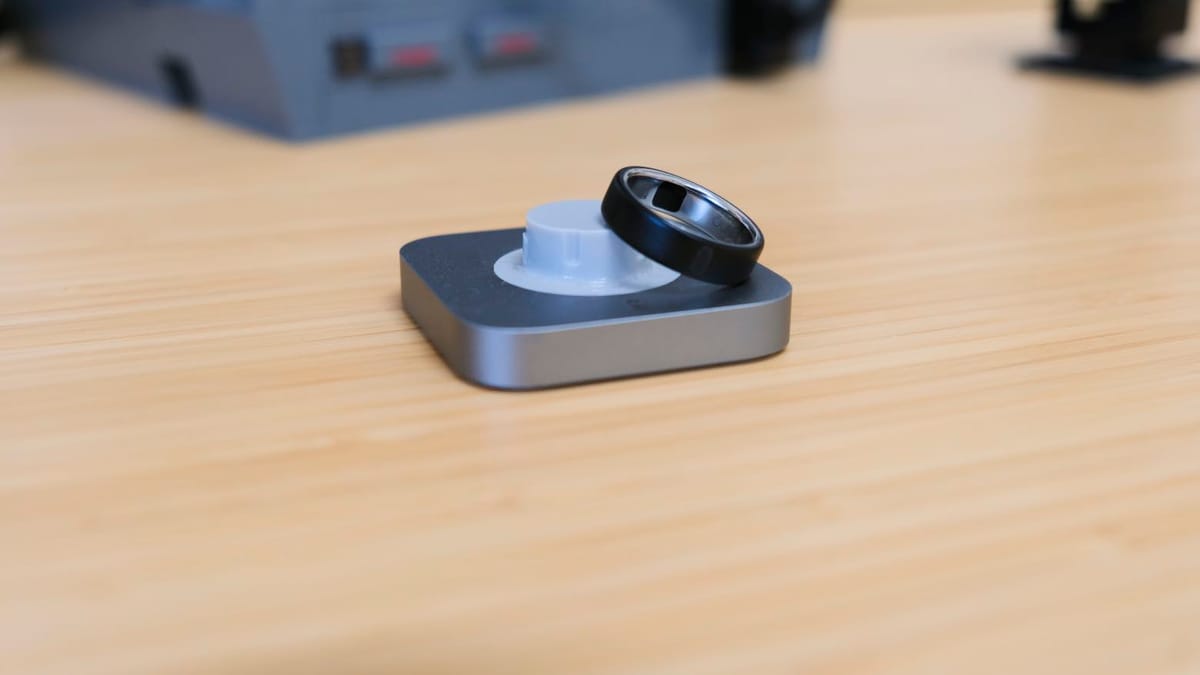
An Oura 5 was delivered yesterday. Decision made.
I’ve been wearing an Oura ring for almost a month now and continue to be impressed by the sheer amount of data it curates throughout the day.
I wish I’d bought one sooner. My wife has been wearing an Oura 4 since late 2024, and after the initial week or two of her getting it, I hadn’t paid much attention to her experience. Wearing a wedding ring and an Oura ring wasn’t something I wanted to do.
But leading up to the Fitbit Air launch, I kept talking to my wife about how much I wanted a screenless fitness tracker and how excited I was to test the Air. Even though the Air hardware and fitness tracking is great, I got tired of the chatty Google Health Coach. (Not to mention wearing a second device on my wrist.)
Then, my wife suggested something I’d never even contemplated: Wear an Oura ring as my wedding ring.
And so I began researching, watching reviews, reading through Oura’s blog, and asking my wife a million questions about her experience.
I still wasn’t sold, but then the Oura 4 went on sale during Amazon Prime for nearly 50% off, and by the last day, I’d placed an order, set to arrive later that day.
Swapping my wedding ring and tackling the $70 subscription
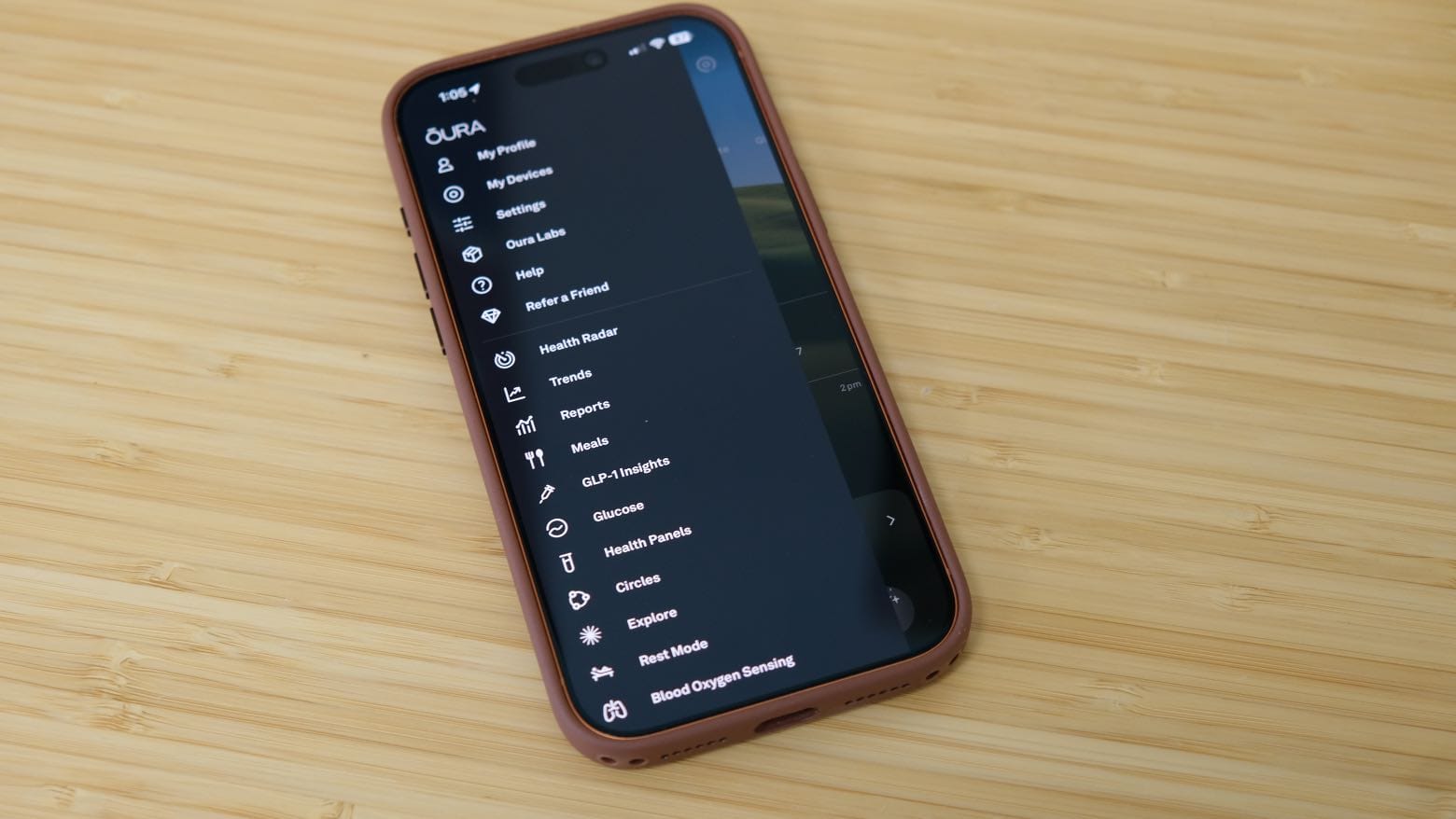
After wearing the Oura 4 for 48 hours, I was hooked. Not only do I forget I’m even wearing it (even more so after upgrading to the much smaller Oura 5), but it collects and curates so many different data points that it took me a few days to get fully up to speed on everything I was looking at. I’m still learning about new features on a regular basis.
Another reason I was hesitant to jump on the Oura bandwagon was its $70/year subscription. It’s not required, but the ring’s functionality is so limited without it that there’s little value in spending $500 on a device to cripple it by refusing to pay for the subscription.
But, then I realized that I’ve been paying $50 a year for a premium subscription for the iPhone app Gentler Streak. I’ve sung high praises for Gentler Streak for a while now. The way the app displays my workout and sleep data, then translates it into an Activity Path that gives a visual representation of when I’m on target, ready for a big workout, or I need to take it easy is something I easily understand.
The way Apple presents the same data in the Health and Fitness apps looks and feels more like a health report I’d get after doing some bloodwork. I could see how well I slept last night and what metrics I needed to pay attention to, but it doesn’t really tell me in an easy visual way what all of it means. That’s been the biggest problem of fitness trackers for years, and Gentler Streak feels like it solved it.
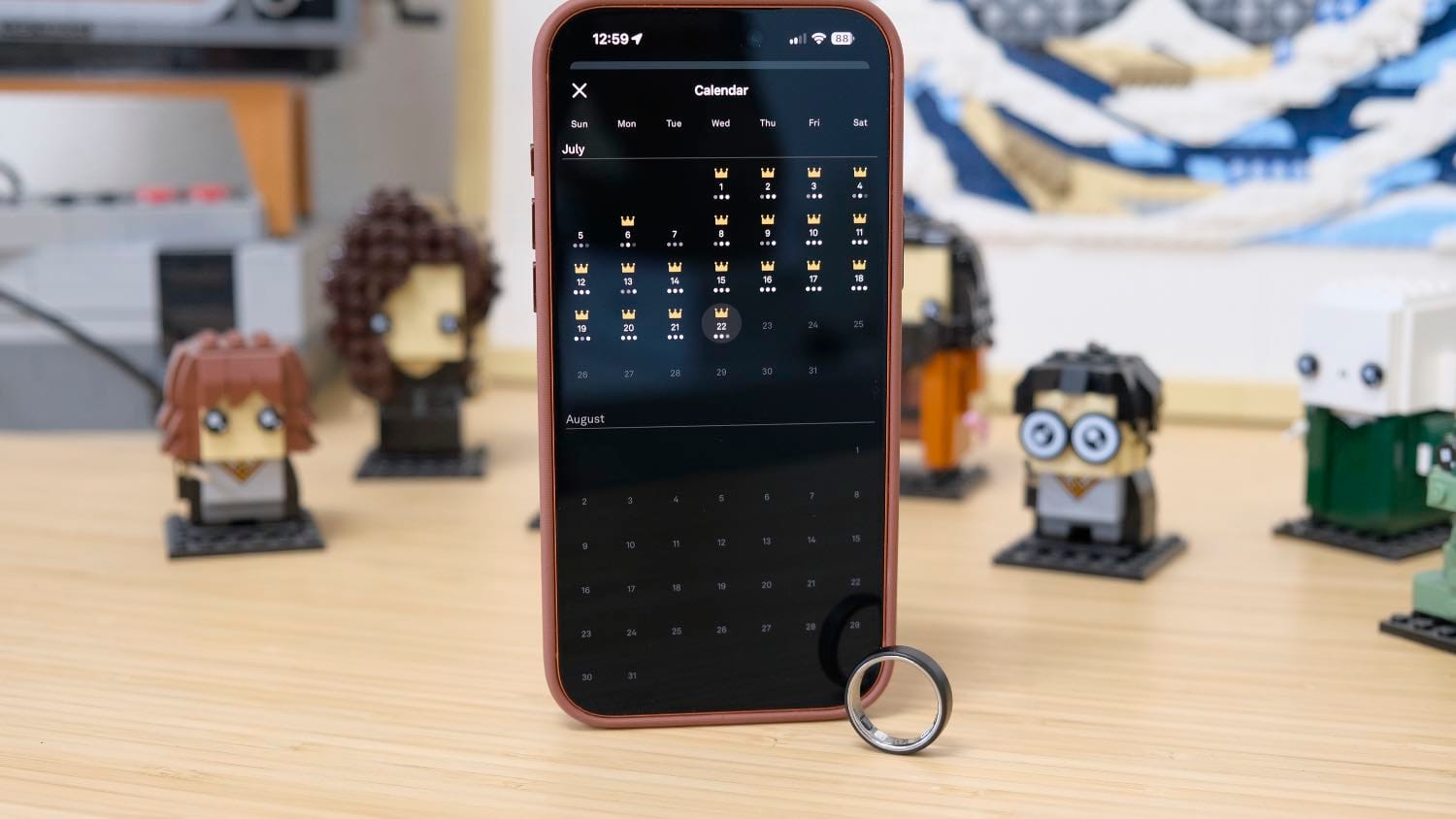
As I near the end of my 30-day free trial of Oura’s membership, I’ve canceled my Gentler Streak subscription. Oura’s app isn’t as visually pleasing as Gentler Streak (which does use Oura’s data via Apple Health), but I’m getting more comfortable with how it is presented on a daily basis. Earning crowns is a fun way of turning getting enough sleep, taking care of my mind and body, and being active into a big game. I like games, and I like winning at games.
(I will continue to recommend Gentler Streak to iPhone and Apple Watch users. It’s a solid app and well worth the subscription. I just can’t justify paying for it and Oura.)
Oura 5 vs. Apple Watch Ultra 3: Tracking workouts without a phone
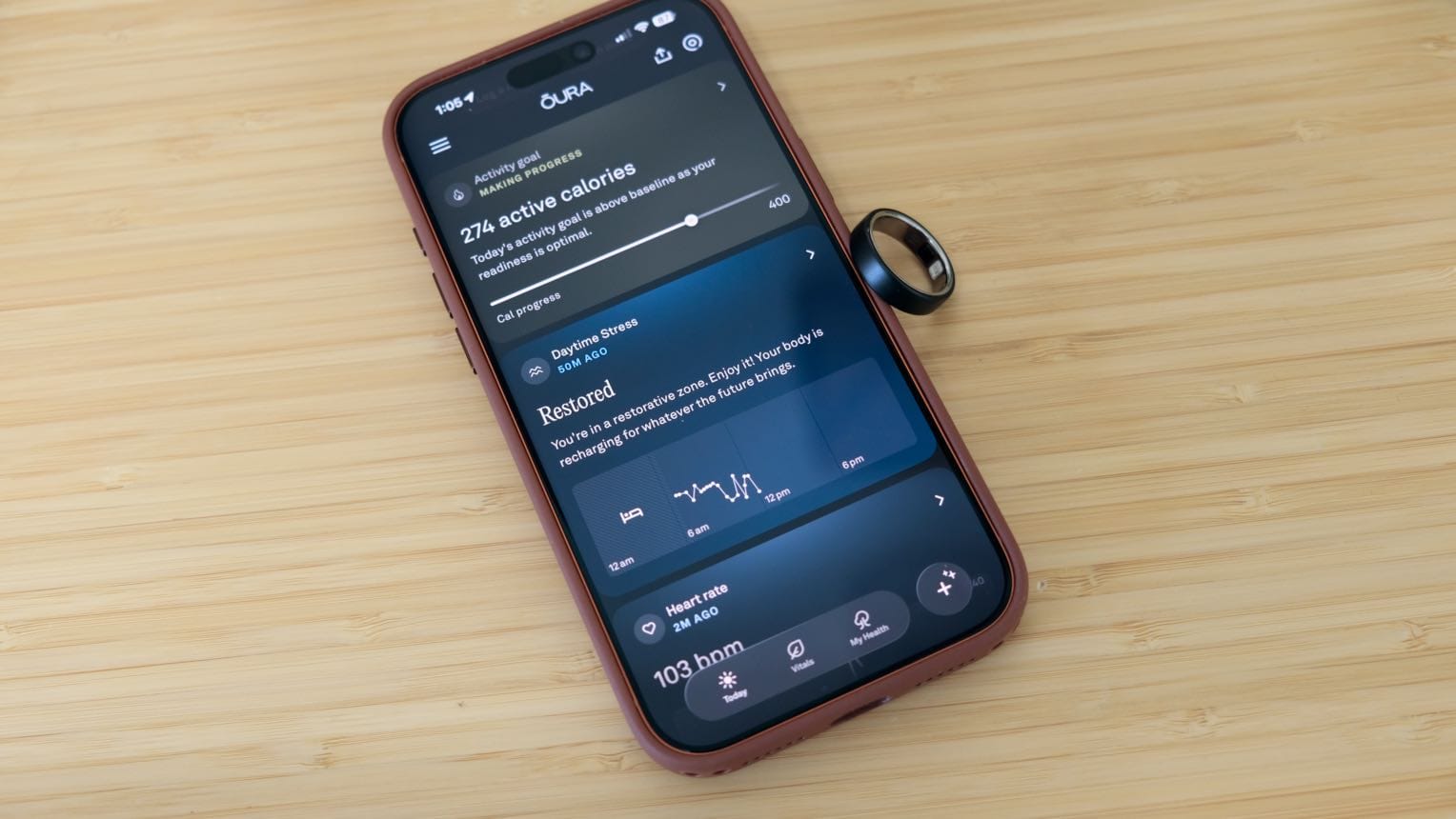
Oura is great at auto-tracking workouts I wouldn’t normally use my Apple Watch to monitor. On a recent trip to Boston we walked. A lot. The Oura ring detected all of them, whereas my Apple Watch only asked me if I was working out twice. Most of the walks were above the Apple Watch’s 10-minute threshold, too.
Beyond random walks, my Oura ring has successfully tracked strength training I’ve been doing during my shoulder rehab, and even yard or housework over the last weekend — every minute counts!
But where I’m struggling with Oura is how to better track workouts with accurate heart rate data, location and all of those metrics. I don’t like walking (my most common workout) with my phone in my pocket, which is required if I want to track a live activity in the Oura app (and use GPS to map out my route).
Which means I’m stuck wearing my Apple Watch Ultra 3, with an active cellular connection, to track workouts. I start the activity as I leave the house, then end it when I get back. A few minutes later, the Oura app digests the results and gives me an update. It works, but I’d love to be able to fully ditch the Apple Watch and go without any sort of connection to the outside world.
I guess that’s a compromise I have to accept with any screenless fitness tracker. Fitbit Air had the same requirements.
As for battery life, I’m currently averaging just over 7 days on a full charge with the Oura 5. I recently vibecoded a personal dashboard to track my ring’s battery health over time, so I’ll be able to easily see if the battery starts to fail (a common complaint of Oura users.)
Stelo CGM integration and where Oura Advisor falls short
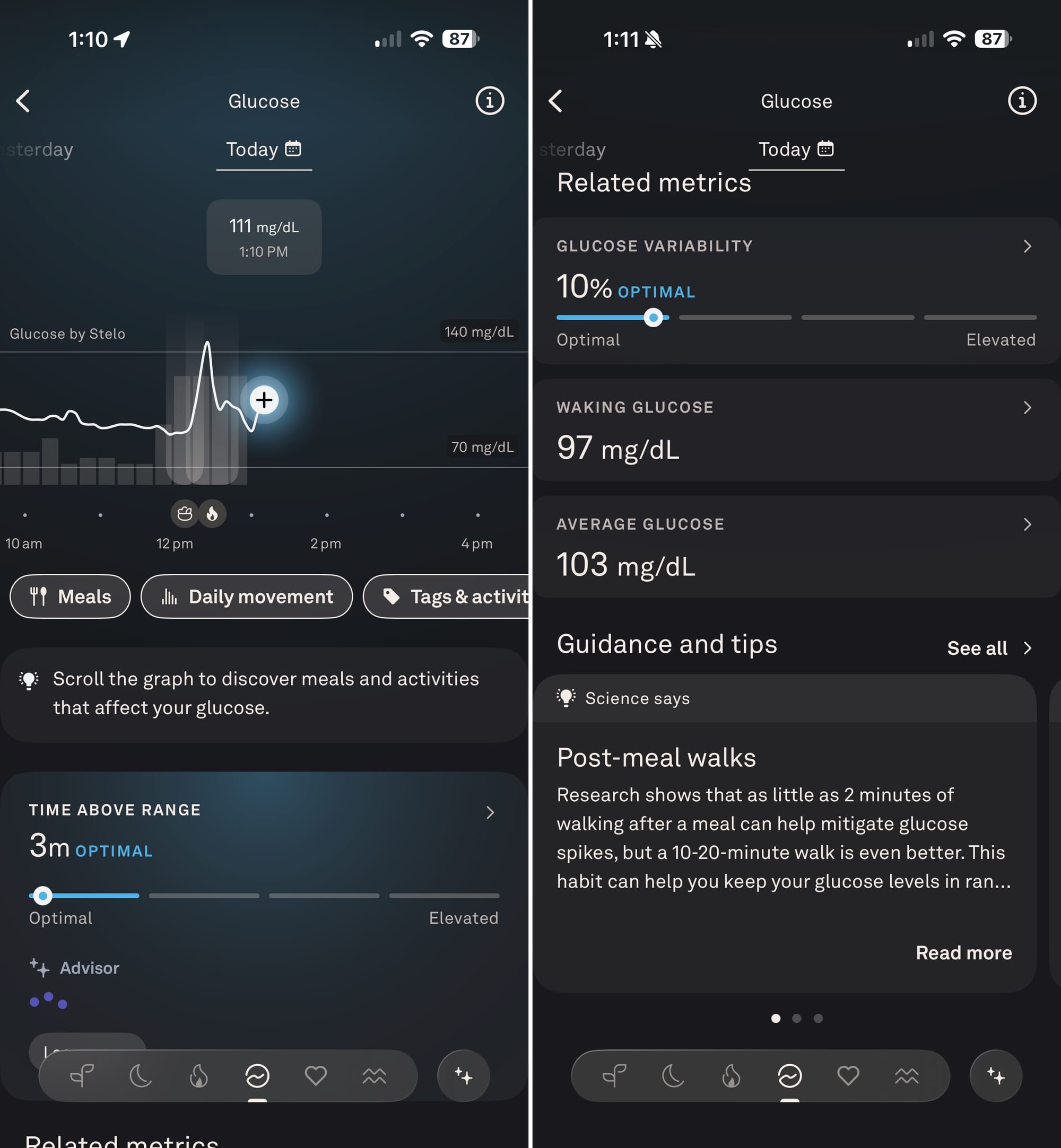
I love the fact that my Stelo CGM data is visible right in the app, and over time I can correlate my glucose levels with sleep habits, stress levels, workouts, and my diet. In theory, at least.
Oura takes what the Stelo app attempts to do to another level — and I hope after a few more weeks I’ll begin to see patterns I haven’t seen in the past.
But, food logging, nutrition ratings and meal suggestions from Oura’s Advisor AI need some work. For example, Advisor likes to rate the nutrition level of things like fried chicken as high, praising me for adding protein to a meal. Or when I eat a few slices of pizza, being told that the carbs will give me an energy boost. Sure, but it’s also going to cause a glucose spike and spikes are bad.
I just wish it was smart enough to know that I’m actively wearing a CGM to track my glucose, and while adding protein to any meal is an easy way to help control glucose levels, applauding me for eating carbohydrates — which will undoubtedly cause my glucose to spike for an extended amount of time — isn’t helpful. It’s confusing.
If nothing else, I’d love for the Oura app and Advisor to learn how my body is going to react to specific foods from my logged meals, and tailor its suggestions based off of that — not just give generic advice based off of generic nutrition guidelines.
The verdict: Can the Oura 5 replace a smartwatch?
My search for a screenless fitness tracker may very well be coming to an end. The Oura 5 checks all of the boxes. It tracks every health metric I care about and then some, and it’s small enough I often forget I’m even wearing a fitness tracker — it feels just like my wedding ring.
I’ve enjoyed extended periods of time without wearing my Apple Watch, including several nights of sleeping without it on, which is something I haven’t done in years. I hope that I can convince myself to let go of FOMO and fully give up wearing an Apple Watch for days at a time.
Oura has continuously made improvements and updates to its offering over the last couple of years, and I hope the company doesn't slow down.
If you've been on the fence about getting an Oura ring, you can use this link to get 10% off of whatever model you choose. I used my own referral link to get 10% off of the Oura 5. I don't get any sort of commission from you using it, but you save a little cash.