Google's Pixel ecosystem is finally having its Apple moment
After using the Pixel 11 and Pixel Watch 5 for a couple of weeks, it feels like the tide has shifted inside Google
Disclosure: This post contains affiliate links, which means I may earn from qualifying purchases.
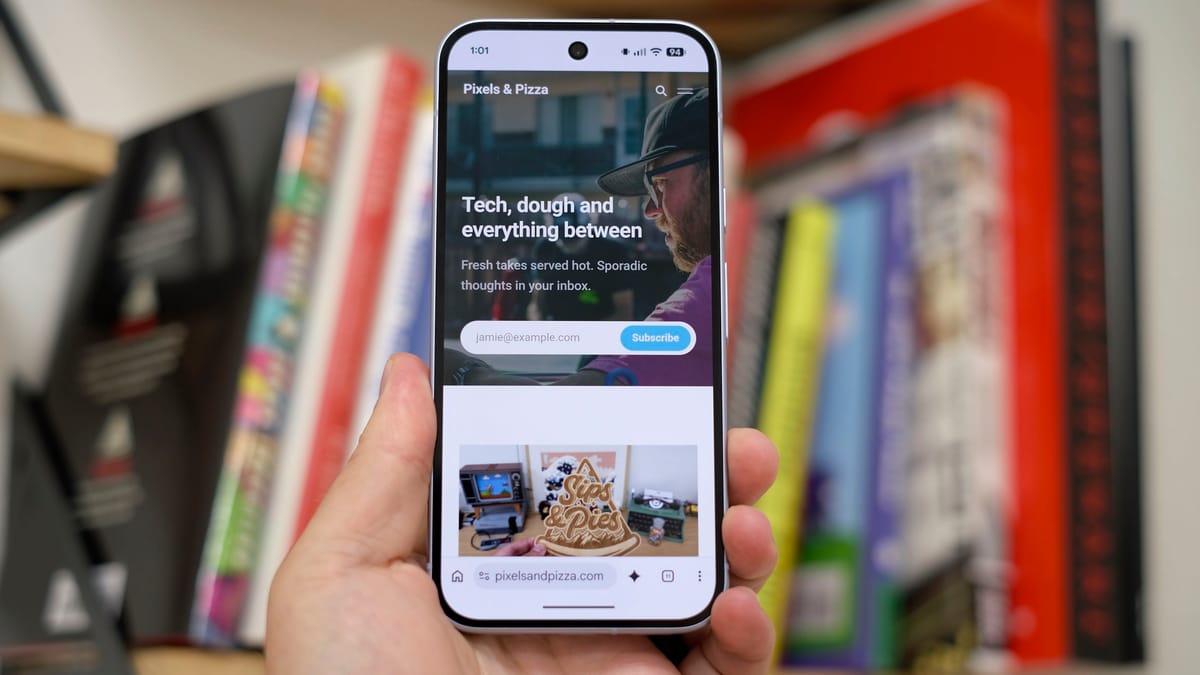
For over a month now, I've been rotating through each one of Google's latest Pixel 11 phones — well, save for the Pixel 11 Pro Fold. I first reviewed the Pixel 11 Pro, followed by the Pixel 11 Pro XL, which left me with the standard Pixel 11 and a Pixel Watch 5 to review.
For the last two weeks — in between resisting the urge to pick up Samsung's Galaxy Z Fold 8 yet again — I've been using the Pixel 11 and Pixel Watch 5.
And during that time, I kept coming back to the same thought: Google's Pixel ecosystem finally feels on par with Apple.
That's a sentence I've wanted to write for years.
A decade of trial and error
I've been a fan of Google's mobile ambitions dating back to the Nexus line of phones built with various hardware partners, running a vanilla version of Android. It's now been a decade since Google launched the first Pixel, releasing an updated lineup every year since.
What a journey it's been.
For several years, the Pixel lineup felt like it was a side project for a team at Google to experiment with, existing in its own silo. Still, Pixel phones offered a clean alternative to Samsung and its heavy software skin, One UI, users were growing tired of.
But it's taken years for Google to build a cohesive experience across multiple devices.
For example, Google didn't have its own Pixel smartwatch until late 2022. Before that, you could buy a Wear OS-powered smartwatch made by any number of device manufacturers, but the experience was disjointed. You had to download extra apps just to sync the watch with your Pixel phone, then another app or two to view your health metrics. It was far from streamlined — the exact opposite of what the iPhone and Apple Watch are known for.
Even when the first Pixel Watch was released, it was missing some of the nice-to-have features that smartwatch users — especially iPhone and Apple Watch converts — expected. Features like Watch Unlock, synced Do Not Disturb, and unified alarms didn't arrive until subsequent software updates.
I've tested nearly every Pixel phone and Pixel Watch Google has released, and during that time I've grown accustomed to figuring out workarounds or just dealing with missing features.
Google's devices didn't always feel like they were made for each other – they felt built out of obligation to check their respective product category boxes.
The Pixel ecosystem finally hits its stride
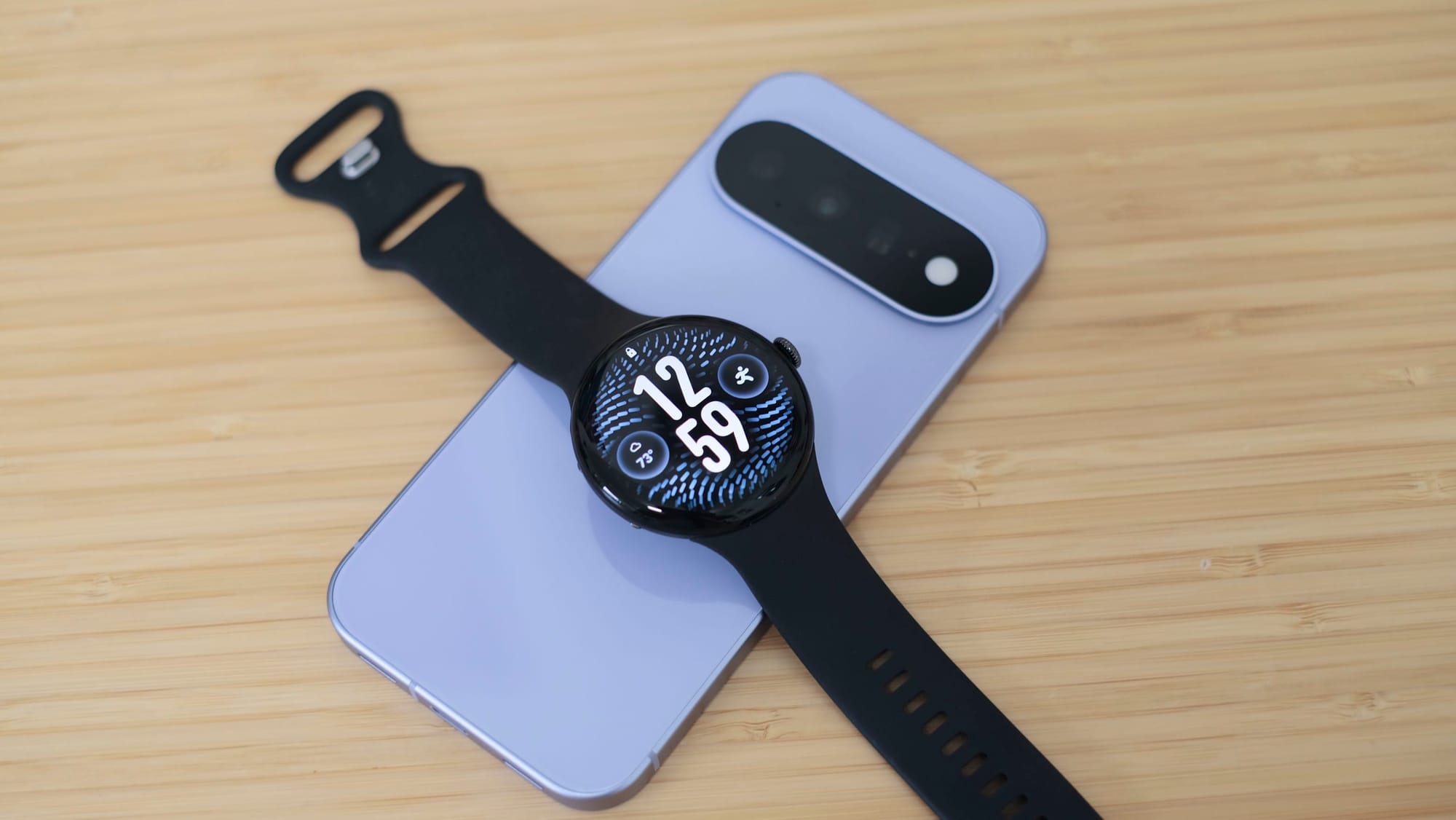
However, about a week into wearing the Watch 5 while carrying the Pixel 11, it dawned on me that I hadn't run into any major issues and that everything just… worked.
I paired the two devices — a process that took just a few minutes — and after the initial setup and watch face customization, there was nothing else to do.
Actually, I take that back: I still can't view my non-Google calendars on the watch. They're all synced via DAVx5 to the Google Calendar app on my phone, but the Calendar app on the Pixel Watch doesn't support non-Google accounts. It's my biggest pain point with the watch right now (one I can overcome with a third-party app, but I shouldn't have to).
Even the seemingly small — and somewhat controversial — rebranding of Fitbit to Google Health makes it clear I'm using a first-party product, not a service from an acquired company. It sounds like a cosmetic tweak, but it had a psychological impact on how I view the watch's health tracking.
Speaking of health features, I've always been drawn to Fitbit's approach to tracking and displaying my personal data. I think the rebrand, while an unfortunate loss for nostalgia's sake, was the right call. And even though Google Health Coach is far too chatty for my liking, I still find myself more motivated to hit my daily goals when wearing a Pixel Watch (or Fitbit Air) compared to my Apple Watch. (Don’t get me wrong, I’m still all-in on my Oura 5 after replacing my wedding band.)
I won't drone on about every minor quality-of-life tweak, but the broader point is clear: Google’s hardware finally feels like it was built by teams that actually talk to each other.
Why I skipped the traditional Pixel 11 and Watch 5 reviews
If you're expecting a more traditional review of the Pixel 11 and Pixel Watch 5 from me, I'm sorry to disappoint you.
The Pixel 11 shares nearly all the same DNA as its more expensive Pro siblings, both of which I already covered exhaustively. The Pixel 11 makes for a fantastic entry point into Google's low-walled garden, offering plenty of battery life, strong performance, and a superb camera experience – including my favorite camera feature in years, Magic Capture.
As for the Pixel Watch 5, cataloging every new feature feels beside the point. It’s naturally Google’s most refined wearable yet, but the real story isn't the hardware on your wrist — it’s how little you actually have to think about it once it's paired with your phone.
I have zero hesitation in recommending either device.
Looking ahead, especially with Googlebook OS around the corner, the trajectory of Google's hardware ambitions feels different. Google spent a decade stumbling through the basics, but the phone and watch finally make sense together. I can only hope that same focus carries over to Googlebook OS.
Then again, I've been here before with Google.